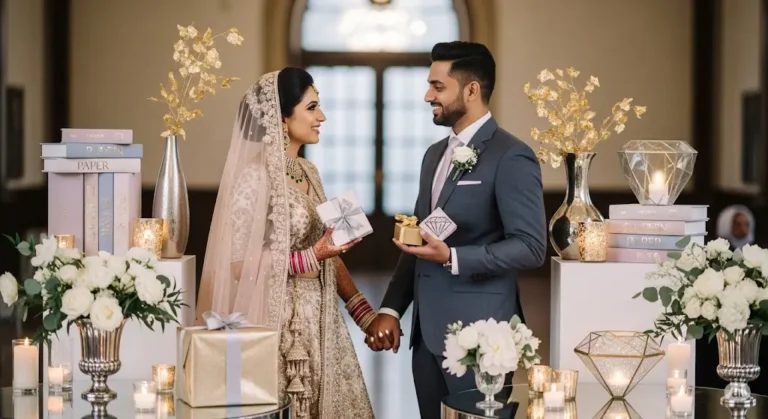
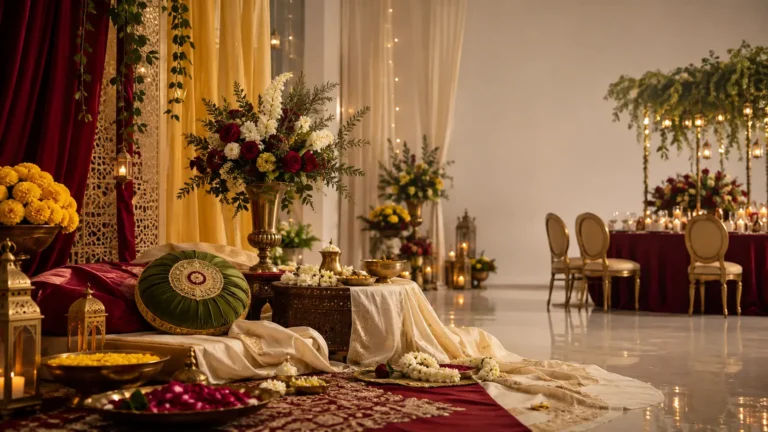
What Dhaka’s Top Wedding Events Actually Have in Common, And How to Spot Them

In Dhaka, a wedding’s real success is never decided on the night itself.
It is decided three days later, in the conversations happening between families who attended. In what gets said over a phone call between two aunts. In what a close friend messages her sister after the reception. In whether the couple’s name comes up months later in the context of the event, or whether the whole experience has quietly dissolved from memory.
The weddings that survive this test in Dhaka share something. The ones that do not share something else. And the difference rarely appears in any online ranking, any testimonial page, or any self-published list of top event planners.
This article is about what that difference actually is.

The Morning After Test That Most Weddings Fail
A genuinely great wedding in Dhaka does not peak on the night. It grows.
By the following morning, guests are replaying moments they did not consciously register at the time. A detail in the décor they want to describe to someone who was not there. The way a transition between ceremonies felt so natural they assumed it simply happened. The way the energy of the room held consistently from the first hour to the last without ever feeling managed.
This is what the morning after test measures. Not the impressive visual moment that any expensive decorator can produce. But the feeling that persists after the event ends, settles into memory, and stays there.
Average weddings in Dhaka produce strong photographs. The best ones produce this feeling. And these two outcomes require completely different thinking from the team behind them.
When the Camera Tells Only Half the Story
There is a pattern in Dhaka’s most talked-about weddings that rarely gets discussed honestly. Some of them do not photograph particularly well. The lighting was too intimate for a phone camera. The best moment of the evening was a sound, a stillness, a pause that no image can hold. The emotional weight of the ceremony settled into the room in a way that video cannot capture.
Then there are weddings that produce exceptional photographs but feel hollow to be inside. Where the visual investment is obvious but the atmosphere is thin. Where guests move through the event correctly but without genuine feeling.
The top event management companies in Dhaka understand that atmosphere and aesthetics are not the same thing. Aesthetics is what the camera sees. Atmosphere is what the people in the room feel. Building one without the other is common. Building both simultaneously is the actual craft.
When evaluating any event company in Dhaka, do not only look at visual results. Ask what the guests were saying the morning after. Ask what the family felt during the week that followed. Those answers are much harder to manufacture than photographs.
Aesthetics vs. Atmosphere
The Anatomy of an Elite Dhaka Wedding Celebration
Wedding Aesthetics
The Camera’s Perspective- Visual impact, lighting, and grand scale
- Stunning photographs & highlight reels
- Easily captured on phone cameras
- The Risk: Can feel emotionally hollow if executed without a deeper atmosphere.
Wedding Atmosphere
The Room’s Perspective- Emotional weight, crowd flow, and room energy
- What guests replay and discuss the morning after
- Felt deeply; difficult to capture on a lens
- The Standard: Seamless coordination that makes guests feel entirely present.
The Ceremony Hierarchy That Average Planners Miss
A Bengali wedding is not a series of equal events wearing different outfits.
The Gaye Holud is where the emotional tone of the entire celebration is established. It is the moment families exhale, where joy becomes communal rather than anticipated, where the people closest to the couple first sense what this wedding is actually going to feel like. If the Gaye Holud carries the right warmth and intention, everything that follows is received more generously.
The Nikah carries the family’s deepest gravity. It is not primarily a production event. It is a covenant. The best wedding planners in Dhaka know precisely when to step back from it, how to frame it with enough dignity that nothing they have arranged competes with what is actually happening in the room.
The Reception or Bou Bhat is where the vision either lands completely or reveals its gaps. By this point, guests have already formed their impression of the wedding. The Reception confirms what they felt at the Gaye Holud or quietly contradicts it.
The weddings in Dhaka that feel coherent across three or four days are planned by people who understand this sequence and plan each ceremony accordingly. The ones that feel like three unrelated events assembled by different people are not. That understanding cannot be acquired quickly and does not appear in any package description.
The 48 Hours No Guest Ever Sees
The public experience of a wedding is a fraction of what determines its quality. The 48 hours before the first guest arrives and the hours after the last one leaves are where the real story is written.
The setup day is where vendor relationships are tested under live conditions. Where a delayed flower delivery either causes visible panic or is absorbed silently. Where a last-minute stage adjustment either costs two hours of uncertainty or is resolved in twenty minutes by a team that has navigated that situation many times before.
The teardown period and what follows are where a planning team’s true character reveals itself. Does the family feel supported through the final hours of the celebration, or are they managing the close of their own event while completely exhausted? Is there a clean handover? A full accounting? A natural, graceful end?
The top event planners in Dhaka deliver a consistent experience through all of these hours, not just the visible ones. The families who have worked with them notice this immediately. The families who have only seen the highlight photographs of other weddings have no frame of reference for it until they experience it firsthand.
The Conversations That Happen Outside Every Review Platform
Dhaka’s social circles are tight in ways that matter enormously in this industry. A family that experiences a genuinely excellent wedding does not just leave a public review. They become an informal advocate in conversations that no algorithm can track or measure.
A trusted friend asks over tea: who planned it? The answer is either enthusiastic and specific or politely vague. That single exchange, repeated across hundreds of social interactions over months and years, is worth more to a planning company’s true standing than any published ranking.
These private conversations carry specific information that public reviews rarely contain. They describe how the family felt during the planning process, not just on the day. They describe whether the planner was present in the right moments and absent in the right moments. They describe whether the family was actually able to enjoy their own event or spent the day quietly managing it from the side.
The top wedding and event management companies in Dhaka are the ones people name first in these conversations. Not because they marketed themselves into that position. Because enough families had the experience and told enough other families the truth about it.
The Planning Paradox Nobody Talks About
The weddings in Dhaka that feel the most natural, spontaneous, and genuinely celebratory are the ones with the most rigorous planning behind them. This is the planning paradox, and it is one of the most consistently misunderstood realities in the entire event industry.
Families often equate a feeling of ease with a lack of effort. They attend a wedding where everything flows and quietly assume it must have been straightforward to produce. They do not see the timeline documents, the vendor contingency plans, the months of communication that were required to deliver that specific feeling of ease consistently across multiple days.
The weddings that feel heavy, slightly stiff, or just slightly off are often the ones where planning was insufficient and execution was improvised. Where a team arrived on the day hoping to absorb whatever came rather than having already prepared for most of it weeks in advance.
Rigorous planning does not make a wedding feel formal. It makes a wedding feel free. The families in Dhaka who have experienced that freedom, who moved through their own celebration without ever needing to intervene or redirect anything, carry it as a quiet standard against which every event they attend afterward is measured without them realizing it.
What Peak Wedding Season Actually Reveals
November through February is Dhaka’s wedding season. It is also the most reliable test of whether an event management company runs on genuine systems or on the energy of a busy period.
During peak season, the best companies in Dhaka deliver exactly the same standard they maintain in June. The same response discipline. The same vendor accountability. The same depth of attention to each individual family, even when managing multiple events in a single week.
Companies that rely on seasonal momentum rather than genuine operational systems begin to show their gaps when calendars fill. Response times stretch. Vendor priorities shift. The family that booked four months ago starts to feel like a file being managed rather than a relationship being honored.
For anyone evaluating event planners in Dhaka, asking specifically about peak season capacity and how it is managed reveals something almost no other question can. The answer tells you whether you are dealing with a company that has built something durable or one that performs well under comfortable conditions and quietly struggles when the calendar tightens.
What All of This Looks Like From the Outside
The weddings in Dhaka that share all of these qualities are not always the most expensive ones. They are not always the ones with the largest stages or the most photographed moments.
They are the ones where families arrived and immediately felt they were in capable hands. Where the planning relationship had been honest from the very first conversation. Where the team understood the ceremony hierarchy and respected each event on its own terms. Where the 48 hours before and after were handled with the same care as the public celebration. Where guests found themselves at the morning-after stage, replaying moments and reaching for their phones to describe them to someone who was not there.
That combination is not accidental. It is the result of a specific kind of company, operating with a specific kind of standard, built across a specific number of years.
Dhaka has event planners who meet that standard. They are not always the ones who appear most prominently in self-published top 10 lists. They are the ones families name first in private conversations, without being asked, because the experience was genuinely worth describing.
Questions Families Ask Before Choosing a Top Wedding Planner in Dhaka
Most families arrive at the same questions. The answers below are direct.
Look N Feel – Event Solutions. Operating since October 2016. 800+ events. 5.0 on Google, Facebook, and Trustpilot. 10+ countries. We did not research this. We lived it.